Writing a novel when you imagine all you stories in film format is hard because there’s really no written equivalent of “lens flare” or “slow motion montage backed by Gregorian choir”
You can get the same effect of a lens flare with close-detail descriptions, combined with breaks to new paragraphs.
Your slow-motion montage backed by a Gregorian choir can be done with a few technques that all involve repetition.
First is epizeuxis, the repeating of a word for emphasis.
Example:
Falling. Falling. Falling. There was nothing to keep Marie from plunging into the rolling river below. She could only hope for a miracle now, that she would come out alive somehow despite a twenty-foot drop into five-foot-deep water.
Then there’s anaphora, where you write a number of phrases with the same words at the beginning.
There were still mages out there living in terror of shining steel armor emblazoned with the Sword of Mercy.
There were still mages out there being forced by desperation into the clutches of demons.
There were mages out there being threatened with Tranquility as
punishment for their disobedience, and the threats were being made good
upon.
Mages who had attempted to flee, but knew nothing of the outside
world and were forced to return to their prison out of need for
sustenance and shelter.
Mages who only desired to find the families they were torn from.
Mages who only wanted to see the sun.
This kind of repetition effectively slows the pace of your writing and puts the focus on that small scene. That’s where you get your slow pan. The same repetition also has a subtle musicality to it depending on the words you use. That’s where you get the same vibe as you might get from a Gregorian choir.
Damn I made relatable reblog- bait post and writer Tumblr went hard with it. This is legitimately very good advice.
For more neat tricks (aka figures of rhetoric) like epizeuxis and anaphora, read THE ELEMENTS OF ELOQUENCE by Mark Forsyth. It’s both educational and delightful, not to mention overflowing with wry wit. Great book.
My ability to proofread increases by 1000% after I hit “Submit”.
this is often because when you’ve submitted something (like fanfiction to ao3) it will be in a different font, size and framing than in your word processor. The text will look different in the new environment so your brain stops skipping what looks familiar (like a typo that has been there since the beginning).
So, tip: revise your work in a different font and size. I guarantee you’ll catch more typos and mistakes than otherwise.
For all my writers (ones I follow and the ones that thankfully follow me)
completely double spaced version on google docs here – this post is more blocky for the sake of people’s dashboards, but still long so people will be less likely to glaze over it. my apologies if that makes it hard to read
things to look for and avoid in an autistic character
• symptoms only manifesting as “nonverbal and rocking”
• super smart / living calculator
• super dumb / doesn’t understand anything
• all the symptoms you can come up with for them are “awkward” and “has special interest(s)” (please do more research)
• trains, technology, and/or math as special interests
• acting like a child
•
getting treated like a baby
• unreasonably cruel and uncaring about others’ reactions to them being cruel
• if they’re comparable to sheldon from the big bang theory, start over
• animal comparisons
• a lack of feelings
• please no stories about what it’s like to be autistic told by allistics
talking about things outside of special interests (again…. come on……….) (special interests are usually the default things our brains go to when theres no stimulation or we want to entertain ourselves – it isn’t literally all we think or talk about ever. if a conversation has no connections to a special interest, reconsider having your autistic character bring it up in a context that is not an introduction.)
•
explicitly expressed to be capable of attraction and romantic feelings – if your character is an adult, add sexual feelings to this point
•
capable of general functioning, just with a disability that makes it more difficult – not a walking disability (….sigh)
• a wide amount of feelings and emotional turmoil (but perhaps only being able to express it in limited ways)
• we’re people
• just people whose brains are wired differently
things to avoid in research for an autistic character
•
autism moms / autism blogs and websites not run by autistic people
•
any affiliation with autism $peaks means you should walk away and never look back
•
a scientist trying to create explanations for what autistic people do without actually asking / not mentioning asking autistic people
• anything about a cure for autism
• a person that “worked with autistic kids” phrased in the same way as “worked with animals”
• talking about autistic people as if they are mysteries, are like animals, or are otherwise othered weirdos instead of people
things to look for in research for an autistic character
•
actual autistic people talking about their experiences and symptoms
• just stick to that and you’re good but it’s hard to find sometimes ngl. just look for the above red flags
things i would personally like to see in an autistic character
• less easy to swallow sadness and more destructive anger. i would love to see a canonically autistic character who was frustrated easily by small things and had trouble communicating why •
not a story about being autistic, a story that happens to have a character or characters who are autistic – it isn’t pointed out or questioned, they’re right at home with the rest of the cast and not othered (a la symmetra from overwatch) •
intensive sensory issues / small sounds making large reactions • clear communications about not liking x sensory thing (for example being touched) •
poor motor skills / clumsiness and not being laughed at for it • walking funny (body bent downwards, walking very fast, walking slowly,
big strides, shuffling, stiffness, etc) – no one treats it as if it’s funny or something totally strange • a big personality that has a presence so they can’t be cast aside (but feel free to have quiet characters too) – if this was along with being nonverbal they would probably leap to being one of my favorite characters ever • a fear of asking for clarification on sarcasm or jokes because of past experiences and an arc about the character becoming more comfortable asking questions
>> if any fellow autistic people want to add something, feel free <<
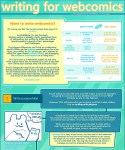
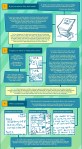
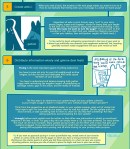
This tutorial contains tips about writing for webcomics, with my caveat that I’m not formally trained in any of this stuff~~ This is all just my personal observations and tips from the past 10 years of putting comics online, but they’ve served me pretty well so far! For some examples of this info applied to my own work, feel free to check out my webcomics at The Meek and Mare Internum.
All of my tutorials are released in lower-res format to the public 6 months after
publication at the Shingworks Patreon. You can access the full tutorial archive, as well as nearly 1.5
years worth of bonus content, by becoming a Patron :] I just wrapped up a two part tutorial about building and launching Patreons, good times.
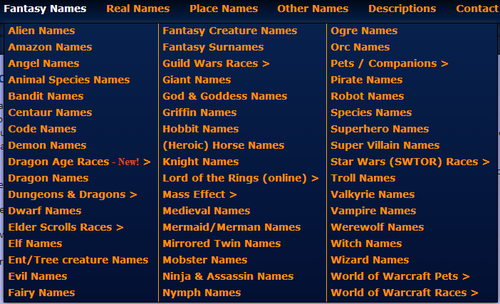
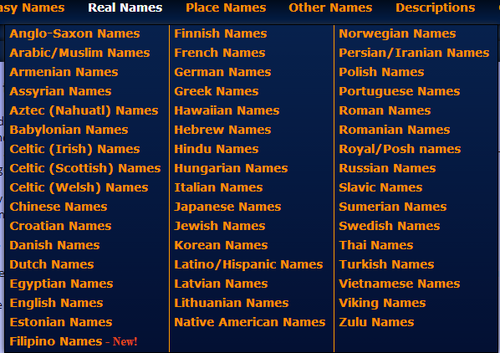
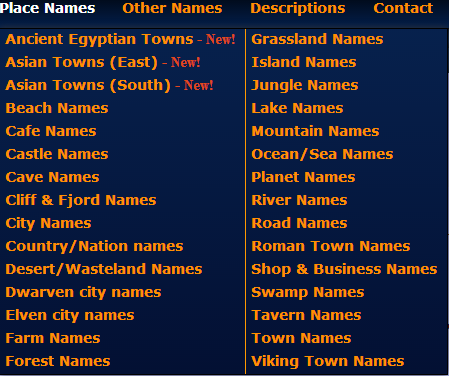
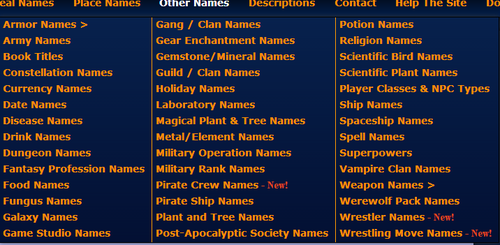
I got pretty fed up with looking for words to replace said because they weren’t sorted in a way I could easily use/find them for the right time. So I did some myself.


 refessence