Since once in a blue moon I actually discover a decent rule for adulting, and since I know I have followers a few years younger than me who are just entering the workforce, I want to tell you about a very important phrase.
“I won’t be available.”
Imagine you’re at work and your boss asks you to come in on Saturday. Saturday is usually your day off–coming in Saturdays is not an obligation to keep your job. Maybe you were going to watch a movie with a friend, or maybe you were just going to lie in bed and eat ice cream for eight hours, but either way you really, really don’t want to give up your day off.
If you consider yourself a millennial you’ve probably been raised to believe you need to justify not being constantly at work. And if you’re a gen-Z kid you’re likely getting the same toxic messages that we did. So in a situation like that, you might be inclined to do one of three things:
- Tell your boss you’d rather not give up your day off. Cave when they pressure you to come in anyway, since you’re not doing anything important.
- Tell your boss you’d rather not give up your day off. Over-apologize and worry that you looked bad/unprofessional.
- Lie and say you’ve got a doctor’s appointment or some other activity that feels like an adequate justification for not working.
The fact is, it doesn’t matter to your boss whether you’re having open heart surgery or watching anime in your underwear on Saturday. The only thing that affects them is the fact that you won’t be at work. So telling them why you won’t be at work only gives them reason to try and pressure you to come in anyway.
If you say “I won’t be available,” giving no further information, you’d be surprised how often that’s enough. Be polite and sympathetic in your tone, maybe even say “sorry, but I won’t be available.” But don’t make an excuse. If your boss is a professional individual, they’ll accept that as a ‘no’ and try to find someone else.
But bosses aren’t always professional. Sometimes they’re whiny little tyrants. So, what if they pressure you further? The answer is–politely and sympathetically give them no further information.
“Are you sure you’re not available?” “Sorry, but yes.”
“Why won’t you be available?” “I have a prior commitment.” (Which you do, even if it’s only to yourself.)
“What’s your prior commitment?” “Sorry, but that’s kind of personal.”
“Can you reschedule it?” “I’m afraid not. Maybe someone else can come in?”
If you don’t give them anything to work with, they can’t pressure you into going beyond your obligations as an employee. And when they realize that, they’ll also realize they have to find someone else to come in and move on.
IMPORTANT!! PLEASE READ!!
Just like with many other parts of life, learn to say ‘no’ to people. You are important. Don’t kill yourself for another person, esp. if they are your boss.
Tag: work
Writing a CV:
- The perfect resume for someone with no experience (by businessinsider)
- Guide to writing a CV
- Common grammar mistakes to avoid on your CV
- How to explain a gap in your CV
- How to overcome common CV issues
- What not to do on your CV
- Should I include hobbies and interests in my CV?
- CV layout: dos and don’ts
- Free CV template
- School leaver CV template
- CV templates and tips
- More free CV templates
- Example CVs
- How to tailor your CV to different industry sectors
Writing a Cover Letter:
- How to write a cover letter
- How to overcome common cover letter problems
- Graduate cover letter template
- Career break cover letter template
- School leaver cover letter template
- Free cover letter template
Referencing:
Interviews:
- How to answer common interview questions
- How to prepare for an interview
- The interview itself
- Advice to help you ace the interview
- Answer curveball interview questions
- 101 Interview Questions You’ll Never Fear Again
- Second interview questions and answers
- Telephone interview questions and answers
- Questions you should not be asked
- What to wear to an interview: bloggers’ top tips
- Group interview tips: do’s and don’ts
- Interview questions for employers: What you should be asking
- What not to do at interview
What job can I do?
- How to decide what job to look for
- How to find a new job
- How to search for jobs online
- Jobs in the retail industry
- Jobs in the engineering industry
- Jobs in the fashion industry
- Jobs in the IT industry
- Jobs in the motoring industry
- Jobs in sport
- Jobs in the education industry
- Jobs in the energy industry
- Careers with animals
- Jobs in the media industry
- Jobs in the leisure & tourism industry
- Jobs in the catering industry
- Jobs for history lovers
- Jobs for geography lovers
- Jobs for English lovers
- Jobs for maths lovers
Volunteering:
- 7 Simple ways to make the best of volunteering
- Benefits of volunteering
- Benefits of mentoring
- Volunteer Abroad
Resignation:
- Resignation letters: What you need to know
- Resignation letter templates
- How to resign
- How To Resign & Hand In Your Resignation Letter
Redundancy /Job Loss:
- Deal with redundancy
- Things to do if you lose your job
- Claim Jobseeker’s Allowance
- Jobseekers allowance (UK) overview
- 15 tips to survive a job loss
- How to Cope With Job Loss and Move On
At work:
- How to start a new job
- How to have a good first day
- How to hold onto your job
- How to handle bullying in the workplace
- Commuting: how far is too far?
- How to get a promotion
- Summer workwear advice
- Office Style Trends 2015
- What You Can (and Can’t) Wear to Work
- Dealing with stress at work
- How to deal with a brutal boss
OH MY GOD whyyyy did no one tell me you’re supposed to send thank-yous after interviews?? Why would I do that???
“Thank you for this incredibly stressful 30 minutes that I have had to re-structure my entire day around and which will give me anxiety poos for the next 24 hours.”
I HATE ETIQUETTE IT’S THE MOST IMPOSSIBLE THING FOR ME TO LEARN WITHOUT SOMEONE DIRECTLY TELLING ME THIS SHIT
NO ONE TOLD YOU???? WTF! I HAVE FAILED YOU.
Also:
Dear ______:
Thank you so much for the opportunity to sit down with you (&________) to discuss the [insert job position]. I am grateful to be considered for the position. I think I will be a great fit at [company name], especially given my experience in __________. [insert possible reference to something you talked about, something that excited you.] I look forward to hearing from you [and if you are feeling super confident: and working together in the future].
Sincerely,
@mellivorinaeTHIS IS A LIFESAVING TEMPLATE
YOU ARE WELCOME
My brother got a really great paid internship one summer. The guy who hired him said the deciding factor was the professional thank you letter my brother sent after the interview.
should it be an email? or like a physical letter?
email, you want to send it within a few hours at max after the interview if you can so it’s fresh in their mind who you are.
Confirmed! I interviewed for a job right after arriving in NY. The interview went incredibly well, and I went home and immediately wrote a thank you letter and put it in the mail. I had a super good feeling about this interview.
I didn’t get the job.
However, a few weeks later, I was called in to interview with another editor in the same company, and I did get that job. I found out later from the initial editor (the one who didn’t hire me) that he had planned to offer me the job, but since I didn’t follow up with a thank you letter, he assumed I didn’t really want it. He offered the job to another contender–but when he got my letter in the mail shortly after the offer had already been made, he went to HR and gave me a glowing recommendation. It was based on that recommendation that I got called in for the second interview.
So: send an email thank you immediately (same day!) after the interview. If you’re feeling extra, go ahead and send a written one too. OR go immediately to a coffee shop, write the letter, and return to the office and give it to the secretary.
Either way, those letters are important.
Pro tip: If you really want HR to develop a personal interest in your application, publicly thank them on linkedin. Just make a short post telling your network about how X recruiter really went above and beyond to make you feel welcome, or about how be accommodating and professional they were, or whatever. Make sure to use the mention feature so they’ll get a notification and see it.
Flattery will get you everywhere… and public flattery that might make its way back to their manager, doubly so.
Obligatory plug for one of FreePrintable.net’s sites: ThankYouLetter.ws. They have a whole section with interview thank you letter templates, and a page with specific tips for interview thank you letters. (There are also tons of other letter templates if you browse around a bit.)
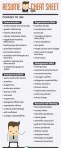
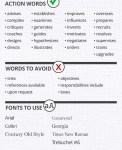
Resume Cheat Sheet.
Important!!
Always essential
 refessence