I want you all to know that an Arab Muslim from Tunis proposed the Theory of Evolution near 600 years before Charles Darwin even took his first breath. Don’t let them erase you.
Also, it was not the apple falling from a tree that made Issac Newton “discover” gravity. He was reading the books of Ibn Al Haytham, an Arab Muslim from Iraq, who pioneered the scientific method, discovered gravity and wrote about the laws governing the movement of bodies (now known as Newtons three laws of motion) some 600 years before Newton existed. Without him, modern science as we know it wouldn’t exist. Read on him. His achievements are far greater than what I’ve just mentioned here.
We fucking replaced a Muslim scientist with an apple?
In the middle ages, THE place to go for an education was the middle East, or, failing that, Spain. The Muslim world didn’t have the same limits placed on scientific inquiry that the Christian world did, and since they were willing to look at more than just Aristotole and actually compare texts to the observable world, they had some incredible scientific and mathematical advancements. And street lights and toilets. I mean theories and algebra are great and all, but street lights and toilets. In the 12th century. Also medical advancements, and fewer rules against women studying. Hell, women *should* be the ones studying the female body, would you rather a woman see your female relatives, or some old man? Would you rather have someone who lives in the same kind of body, or one who has no first hand idea what the parts can do?
even if you get along great with your family you will get along even better with them after moving out
generic is almost always just as good as name brand. But there are some things you never buy generic, including: peanut butter, ketchup, liquid NyQuil, Chips-Ahoy chewy chocolate chip cookies
just imagine the person on the other end of the phone hates talking on the phone as much as you do. Even a receptionist. I worked as one and I hate talking on the phone
at least once in your life you will go to Wal-mart to buy something under $20 like an ironing board or something and your debit card will get rejected. No one will judge. Everyone at some point in their lives has had $2.98 in their bank account.
thrift stores
everyone else is too busy panicking about everyone else noticing every tiny thing that could possibly be wrong about them to notice any tiny thing that could possibly be wrong about you
you will screw up. a lot. you live and you learn. and when you start to think too hard about that embarrassing thing that happened and how you wish you could change it, just tell yourself that what’s done is done. There’s no changing it, so just forget it and move on. It’s the only way to stay sane.
do the dishes before the sink grows its own ecosystem
you can’t put Dawn dishsoap in the dishwasher.
if you are the only one in the aisle at the grocery store, and you need to get from one end to the other without even looking at anything in that aisle, then you should totally cart-surf down the aisle. Growing old is mandatory. Growing up is optional. Hold on to the little things. They make all the difference.
never try to make cake from scratch at 3am. You end up with a topographical map of Middle Earth.
15% tip.
the best way to get money for food is to tell your grandparents about how you basically live on microwaved mac and cheese. Their horror may result in twenty bucks and orders to go out and get yourself “a real dinner”.
sometimes life sucks, and knowing that it might get better doesn’t always make it suck any less, but you’ll never get to the non-sucky days without enduring the suckiness.
no seriously, NEVER put Dawn in your dishwasher
Do not buy generic brand spaghetti sauce either.
Always check the type of light bulb that goes in lamps. A 60w is not interchangeable with a 40w.
Dollar store batteries work just as well as store brand.
Reward yourself from time to time when you do things that you needed to get done. It’s a good way to remind yourself to do them. Going out to pay a bill? Get Starbucks or something you don’t get often. Rewards don’t have to be huge, they can be small things like that.
Rice, pasta, flour, sugar, cheese, eggs, milk, a pack of chicken, a pack of frozen veggies and a well stocked spice cabinet go a long way food-wise. Splurge and get the biggest container of rice you can. You don’t have to go back and buy it again anytime soon and it makes a TON of meals in the meantime.
Rice can be cooked on the stove. You don’t need a fancy rice cooker. Two parts water to every one part rice (two cups water for one cup of rice for example). Get your water boiling, add rice, put a plate or lid on it, put it on low for 20 minutes. It should be done.
Keep a calendar on your pc of bill due dates. If your bills are set up at inconvenient times, like all of the services started on the first or something, then call up the company and find out if you can get your billing date switched to something more manageable. A lot of places do try to work with you.
There is no shame in calling a company and asking for an extension on a bill. Let them know what you can pay, pay that amount, and they arrange when the rest of the payment is required. This can stop you from having services shut off man. It shows responsibility on your part.
Take time to eat, even when you don’t feel like eating. Your body needs energy to live.
Wash or rinse your dishes before putting them in the dishwasher. It prevents gross caked on junk.
“The Works” is an excellent cheap toilet cleaner.
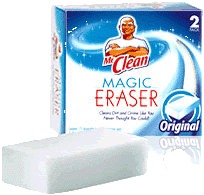
MAGIC. FUCKING. ERASERS. THEY WORK ON EVERYTHING JUST DON’T SCRUB HARD. I took the ring out of our bathtub with one. Also generic ones work just as well.
Keep some bleach around but if you use it for cleaning? Dillute it. There’s rarely ever a case where you need to pout straight bleach on anything. A cap full or two in a bucket of water works just fine.
DO NOT MIX CLEANERS. Chemical reactions are can be very dangerous. Here’s a good list. (Note that vinegar and baking soda can actually be a good combo for removing smells from things but it’s not very good at actually -cleaning-.)
If you drink? Don’t take meds at the same time it’s just not good.
Make sure you check the dosages on your pill bottles. No one wants to accidentally overdose on cough syrup or ibuprofen.
If you have a uterus make sure you have a heating pad and ibuprofen on hand for the pain. Hot baths also generally help and Ginger Tea is excellent for any nausea.
Buy a first aid kit. It’s worth it in the long run.
You can often do your taxes online at places like TurboTax.
Petroleum jelly (aka Vaseline) is good for chapped lips and you can get a decent sized tube or tub of it (generic brand version) for cheaper/same price as Chapstick.
KEEP TRIPLE ANTIBIOTIC OINTMENT IN YOUR HOUSE FOR CUTS AND SCRAPES AND SORES.
~~Medications~~
Over the counter medications (stuff you can buy right off the shelf no prescription needed) have a name brand and a generic name. ALWAYS buy generic if it’s available it is literally the same thing and way cheaper usually.
Some names to remember when you’re looking for meds!
Acetaminophen = Tylenol
Used to treat pain and reduce fever. Do not take with Ibuprofen.
Ibuprofen = Advil, Midol, Motrin
Used for pain and fever, is an anti-inflammtory. Is good for period cramps because it is an NSAID (non-steroidal anti-inflammatory drug).
Naproxen = Aleve, Naprosyn
Treats fever, pain, arthritis pain, gout, period cramps, tendinitis, headache, backache, and toothache. Is also an NSAID.
Acetaminophen + Asprin + Caffeine = Excedrin
Usually marketed as “Migraine Relief” as a generic.
Asprin = Bayer
Use for pain, fever, arthritis, and inflammation. Makes you bleed easily so should not be used for periods. Might reduce risk of heart attacks.
Triple Antibiotic Ointment = Neosporin
Used on cuts, sores, and scrapes to reduce risk of infection and promote healing.
Also a general mutli-vitamin isn’t a bad idea and if you don’t get a lot of fruits or milk/sunshine in your diet you might want to get vitamins C and D specifically for daily use.
if you do accidentally lapse and put dawn in your dishwasher, run it empty and put hair conditioner where the detergent goes. that’ll clean it out (tip given to me by dorm custodian when roommate did the thing).
if you live off ramen, add stuff to it! add veggies you like, don’t use the whole flavor packet to cut down on sodium and msg or don’t use it at all and add your own spices.
if you’re making something with potatoes in it (beans, stew) potatoes are done when you can easily stab a fork through them.
you can microwave a hotdog as long as you put it in a microwave safe container of water. microwaves work by making water molecules vibrate. also, when reheating rice leftovers, add a small amount of water, like maybe a spoonfull, so it doesn’t get hard and crunchy.
the rice cooking advice above is for long grain rice. if you’re making short or medium grain rice, a 1:1 ratio (one cup water for one cup rice) is better, so the rice doesn’t come out too mushy.
buy a few cans of chicken. wholesale club stores like sam’s, costco, or bj’s tend to carry multipacks for a good price. they’re incredibly useful for when you forget to defrost meat.
buy meat on sale and put it in the freezer. buy vegetables on sale, and put them in the freezer. frozen veggies are often as flavorful and good as fresh ones, keep longer, and often come in microwaveable bags or with microwave directions.
soak ink stains in milk to help get them out or at least lighten them.
soak blood stains in water as soon as possible, with a bit of detergent or stain remover. scrub at them. use cold water, heat binds proteins to fabric. tbh, there’s no real need to change the washer from cold-cold setting unless the thing you’re washing says to wash in warm water.
acetone, found in most nail polish removers, dissolves super glue.
YOU’RE ALL DOING GOD’S WORK BLESS YOU
Takes pictures, have prints made and put them in photo albums. Be IN the pictures, have someone take pictures of you and your friends. Get over not looking perfect in thw picture. Someday that friend might be gone and those pictures might be all you’ll have, you will want to be in them. I made that mistake with my best friend, i always felt weird asking for a picture together… he died of cancer January of 2014 and now i have no pictures of us together. Its my only regret in life.
This is really helpful, thank you all!
I’m the newest of new adults but I’m gonna throw these little tips in there. IF YOU HAVE AN OLD CAR:
-coolant or water if your car overheats (coolant is preferable cause it won’t hurt the engine in the long run but hey i know money is tight)
-flashlight in case you break down at night and need to check under the hood and your phone is dead
-SPARE TIRE.
-jumper cables.you will at some point leave your lights on. you just will.
AAA or any other road side service is never a bad investment i swear. (try to mooch it off your parents as long as you can though)
Know how to change a tire. You’re going to need to do it at some point in time and you can’t always rely on someone else to do it for you.
Don’t be afraid to go to your local food bank. They are there for a reason.
Don’t be ashamed to ask for help period. Life is hard, everyone needs help occasionally.
You can put a LOWER wattage bulb in a lamp that says it’s for a higher one, but don’t put a HIGHER wattage bulb in. Also, watts refer to the amount of electricity used. LUMENS refers to the amount of light put out, and can vary quite a bit between brands, even though the wattage is the same. Look for the one with the highest lumens unless you actually want a slightly dimmer bulb in a certain location.
Those dollar store batteries? Fine if they’re alkaline. “Heavy-duty” batteries, however, won’t last nearly as long.
You can microwave a hot dog and bun simply by wrapping them in a toweling for a minute, less if you don’t want them scalding hot.
Reblogging to save lives.
Two adulting (kitchen-related) tips from me!
1. Buy a roll of parchment paper from the cooking shit aisle. A big roll will last you for-fucking-ever. Pretty much any time you’re using a baking pan you can line it with that stuff and save yourself A: food sticking to the pan and B: it’s a quick rinse and it’s clean.
2. Bread can get fucking expensive, so make your own. A bigass bag of flour and a bag of active dry yeast (store it in the friiiiidge!!!) works out a FUCK of a lot cheaper than buying bread at the store, and you can do so much more with it. Bread, pizza, rolls, cinnibuns, homemade pizza pockets. It seems intimidating but it’s stupid easy.
Seriously. It’s stupid simple to make, and most of the “3 hours” to make it is sitting around surfing the internet or doing whatever the fuck you want while the dough rises. If you have an afternoon free once a week to sit and play video games or surf the net, you have the time to make your own bread on the cheap. Here’s my simple-as-fuck recipe:
2 ¼ teaspoons active dry yeast (You can buy a bag of this stuff CHEAP in bulk stores, the little packets are hella stupid priced) 1 cup warm water (think a hot bath) 1 ½ teaspoons sugar 2 tablespoons oil (any kind works for the most part) 2 ¼ cups flour 1 teaspoon salt
1. Stir the yeast, water, sugar, and oil up in a bowl. Let it sit for about 10 minutes. It will foam up VERY high, this is the yeast getting happy! If it doesn’t get all foamy, the water may have been too hot or not hot enough. Remember, Yeast is alive! Treat it like a nice girlfriend!
2. Mix your flour, salt, and the yeast concoction up in a bowl.
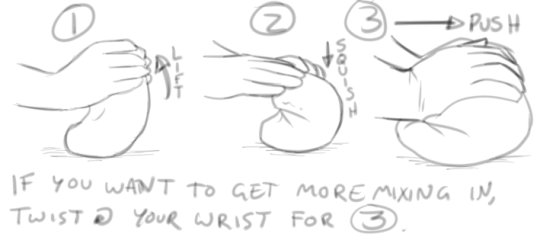
3. Knead that shit for about 5 minutes. It will start sticky as heck, but will come together into a nice dough. If it’s still super sticky, toss in a bit more flour. Here’s how to knead it:
4. Put your dough in a covered, lightly oiled bowl and leave it someplace warmish for an hour. At that point it will have roughly doubled in size, give it a gentle punch to release the gasses that have built up inside. Cover it again and let it sit for a bit longer.
Boom. You have bread dough. Here are some baking times and uses for ya:
Optional egg-wash: Just crack an egg into a bowl, add a pinch of salt, and mix the bejeebus out of it with a fork. Brush (or if you’re like me, goop it on with said fork) that shit thinly on bread before baking for a nice crust.
Pizza: Stretch it on a pan, stab the fucker all over with a fork, add toppings, bake 425*F 15-20 minutes.
Bread Sticks: Make snake-shapes, let rest on pan 10-ish minutes, bake 400*F 10-20 minutes.
Dinner rolls: Make ball-sized (yes those balls) balls. Place on greased pan, let rest 10-20 minutes to rise. Egg-wash and bake 375*F 25 minutes.
Bread: Lightly score (cut) the top, let sit for 20-ish minutes on/in whatever you’re using to bake it, egg-wash, bake at 375*F for 20-ish minutes. It’s done when it sounds hollow if you knock on the bottom.
You bet your ass you can deep-fry this shit for cheapie yeast doughnuts. Roll that shit in sugar or dip it in whatever, it’s fucking tasty.
Bagels: YES. YOU. CAN. Form bagel-shapes out of the dough and boil them in salty water for about 2 minutes. Egg-wash them and bake them at 400*F for 10 minutes.
Cinnamon Rolls: Roll that shit out into a rectangle. Brush it with a mix of butter, cinnamon, sugar, and a pinch of salt (no exact amounts here, do it to your taste). Roll it up into a log, and cut it into discs. Let them sit 20 minutes in a pan and then bake at 375*F 15-17 minutes.
You can add whatever you want to the dough for some variety, just if it’s dried spices remember you really only need 1-ish tablespoons. I personally like making bread with about 1 tablespoon of dill in the dough. Roll it out flat, sprinkle it with cheddar, roll it into a log, squeeze the ends shut, and bake it like a regular loaf of bread. Cheesy dill bread OMNOMNOM.
*ahem* That got a bit long. But yeah. Bread’s expensive, yo. Save your wallet.
(Also it’s ridiculous amounts of therapeutic to bake, for me anyway)
Being able to bake your own bread is pretty awesome, if you got the time for it.
Rejoice fellow uni students looking for some studyspo, we urge you to take a few free lessons, as well as academic lessons provided from actual universities on several topics. Have a look at the 50 top learning sites you can find online to help you save some time.
Art and Music
Dave Conservatoire — Dave Conservatoire is an entirely free online music school offering a self-proclaimed “world-class music education for everyone,” and providing video lessons and practice tests.
Drawspace — If you want to learn to draw or improve your technique, Drawspace has free and paid self-study as well as interactive, instructor-led lessons.
Justin Guitar — The Justin Guitar site boasts over 800 free guitar lessons which cover transcribing, scales, arpeggios, ear training, chords, recording tech and guitar gear, and also offers a variety of premium paid mobile apps and content (books/ ebooks, DVDs, downloads).
Math, Data Science and Engineering
Codecademy— Codecademy offers data science and software programming (mostly Web-related) courses for various ages groups, with an in-browser coding console for some offerings.
Stanford Engineering Everywhere — SEE/ Stanford Engineering Everywhere houses engineering (software and otherwise) classes that are free to students and educators, with materials that include course syllabi, lecture videos, homework, exams and more.
Big Data University — Big Data University covers Big Data analysis and data science via free and paid courses developed by teachers and professionals.
Better Explained — BetterExplained offers a big-picture-first approach to learning mathematics — often with visual explanations — whether for high school algebra or college-level calculus, statistics and other related topics.
Design, Web Design/ Development
HOW Design University — How Design University (How U) offers free and paid online lessons on graphic and interactive design, and has opportunities for those who would like to teach.
HTML Dog — HTML Dog is specifically focused on Web development tutorials for HTML, CSS and JavaScript coding skills.
Skillcrush — Skillcrush offers professional web design and development courses aimed at one who is interested in the field, regardless of their background — with short, easy-to-consume modules and a 3-month Career Blueprints to help students focus on their career priorities.
Hack Design — Hack Design, with the help of several dozen designers around the world, has put together a lesson plan of 50 units (each with one or more articles and/or videos) on design for Web, mobile apps and more by curating multiple valuable sources (blogs, books, games, videos, and tutorials) — all free of charge.
General – Children and Adults
Scratch – Imagine, Program, Share — Scratch from MIT is a causal creative learning site for children, which has projects that range from the solar system to paper planes to music synths and more.
Udemy— Udemy hosts mostly paid video tutorials in a wide range of general topics including personal development, design, marketing, lifestyle, photography, software, health, music, language, and more.
E-learning for kids — E-learning for Kids offers elementary school courses for children ages 5-12 that cover curriculum topic including math, science, computer, environment, health, language, life skills and others.
Ed2go — Ed2go aims their “affordable” online learning courses at adults, and partners with over 2,100 colleges and universities to offer this virtual but instructor-led training in multiple categories — with options for instructors who would like to participate.
GCF Learn Free — GCFLearnFree.org is a project of Goodwill Community Foundation and Goodwill Industries, targeting anyone look for modern skills, offering over 1,000 lessons and 125 tutorials available online at anytime, covering technology, computer software, reading, math, work and career and more.
Stack Exchange — StackExchange is one of several dozen Q+A sites covering multiple topics, including Stack Overflow, which is related to computer technology. Ask a targeted question, get answers from professional and enthusiast peers to improve what you already know about a topic.
HippoCampus — HippoCampus combines free video collections on 13 middle school through college subjects from NROC Project, STEMbite, Khan Academy, NM State Learning Games Lab and more, with free accounts for teachers.
Howcast— Howcast hosts casual video tutorials covering general topics on lifestyle, crafts, cooking, entertainment and more.
Memrise — Lessons on the Memrise (sounds like “memorize”) site include languages and other topics, and are presented on the principle that knowledge can be learned with gamification techniques, which reinforce concepts.
SchoolTube — SchoolTube is a video sharing platform for K-12 students and their educators, with registered users representing over 50,000 schools and a site offering of over half a million videos.
Instructables — Instructables is a hybrid learning site, offering free online text and video how-to instructions for mostly physical DIY (do-it-yourself) projects that cover various hands-on crafts, technology, recipes, game play accessories and more. (Costs lie in project materials only.)
creativeLIVE — CreativeLive has an interesting approach to workshops on creative and lifestyle topics (photography, art, music, design, people skills, entreprenurship, etc.), with live access typically offered free and on-demand access requiring purchase.
Do It Yourself— Do It Yourself (DIY) focuses on how-tos primarily for home improvement, with the occasional tips on lifestyle and crafts topics.
Adafruit Learning System — If you’re hooked by the Maker movement and want to learn how to make Arduino-based electronic gadgets, check out the free tutorials at Adafruit Learn site — and buy the necessary electronics kits and supplies from the main site.
Grovo — If you need to learn how to efficiently use a variety of Web applications for work, Grovo has paid (subscription, with free intros) video tutorials on best practices for hundreds of Web sites.
General College and University
edX — The edX site offers free subject matter from top universities, colleges and schools from around the world, including MIT and Harvard, and many courses are “verified,” offering a certificate of completion for a nominal minimum fee.
Cousera— Coursera is a learning site offering courses (free for audit) from over 100 partners — top universities from over 20 countries, as well as non-university partners — with verified certificates as a paid option, plus specializations, which group related courses together in a recommended sequence.
MIT Open Courseware— MIT OpenCourseWare is the project that started the OCW / Open Education Consortium [http://www.oeconsortium.org], launching in 2002 with the full content of 50 real MIT courses available online, and later including most of the MIT course curriculum — all for free — with hundreds of higher ed institutions joining in with their own OCW course materials later.
Open Yale Courses — Open Yale Courses (OYC) are free, open access, non-credit introductory courses recorded in Yale College’s classroom and available online in a number of digital formats.
Open Learning Initiative — Carnegie Mellon University’s (CMU’s) Open Learning Initiative (OLI) is course content (many open and free) intended for both students who want to learn and teachers/ institutions requiring teaching materials.
Khan Academy — Khan Academy is one of the early online learning sites, offering free learning resources for all ages on many subjects, and free tools for teachers and parents to monitor progress and coach students.
MIT Video— MITVideo offers over 12,000 talks/ lecture videos in over 100 channels that include math, architecture and planning, arts, chemistry, biological engineering, robotics, humanities and social sciences, physics and more.
Stanford Online — Stanford Online is a collection of free courses billed as “for anyone, anywhere, anytime” and which includes a wide array of topics that include human rights, language, writing, economics, statistics, physics, engineering, software, chemistry, and more.
Harvard Extension School: Open Learning Initiative — Harvard’s OLI (Open Learning Initiative) offers a selection of free video courses (taken from the edX selection) for the general public that covers a range of typical college topics, includings, Arts, History, Math, Statistics, Computer Science, and more.
Canvas Network — Canvas Network offers mostly free online courses source from numerous colleges and universities, with instructor-led video and text content and certificate options for select programs.
Quantum Physics Made Relatively Simple — Quantum Physics Made Relatively Simple” is, as the name implies, a set of just three lectures (plus intro) very specifically about Quantum Physics, form three presentations given by theoretical physicist Hans Bethe.
Open UW — Open UW is the umbrella initiative of several free online learning projects from the University of Washington, offered by their UW Online division, and including Coursera, edX and other channels.
UC San Diego Podcast Lectures — Podcast USCD, from UC San Diego, is a collection of audio and/or video podcasts of multi-subject university course lectures — some freely available, other only accessible by registered students.
University of the People— University of the People offers tuition-free online courses, with relatively small fees required only for certified degree programs (exam and processing fees).
NovoEd— NovoEd claims a range of mostly free “courses from thought leaders and distinguished professors from top universities,” and makes it possible for today’s participants to be tomorrow’s mentors in future courses.
IT and Software Development
Udacity — Udacity offers courses with paid certification and nanodegrees — with emphasis on skills desired by tech companies in Silicon Valley — mostly based on a monthly subscription, with access to course materials (print, videos) available for free.
Apple Developer Site — Apple Developer Center may be very specific in topics for lessons, but it’s a free source of documentation and tutorials for software developers who want to develop apps for iOS Mobile, Mac OS X desktop, and Safari Web apps.
Google Code— As with Apple Developer Center, Google Code is topic-narrow but a good source of documentation and tutorials for Android app development.
Code.org — Code.org is the home of the “Hour of Code” campaign, which is aimed at teachers and educators as well as students of all ages (4-104) who want to teach or learn, respectively, computer programming and do not know where to start.
Mozilla Developer Network— MDN (Mozilla Developer Network) offers learning resources — including links to offsite guides — and tutorials for Web development in HTML, CSS and JavaScript — whether you’re a beginner or an expert, and even if you’re not using Mozilla’s Firefox Web browser.
Learnable — Learnable by Sitepoint offers paid subscription access to an ebook library of content for computers and tablets, and nearly 5,000 videos lessons (and associated code samples) covering software-related topics – with quizzes and certification available.
Pluralsight— Pluralsight (previously PeepCode) offers paid tech and creative training content (over 3,700 courses and 130K video clips) for individuals, businesses and institutions that covers IT admin, programming, Web development, data visualization — as well as game design, 3D animation, and video editing through a partnership with Digital-Tutors.com, and additional software coding lessons through Codeschool.com.
CodeHS — CodeSchool offers software coding lessons (by subscription) for individuals who want to learn at home, or for students learning in a high school teacher-led class.
Aquent Gymnasium— Gymnasium offers a small but thorough set of free Web-related lesson plans for coding, design and user experience, but filters access by assessing the current knowledge of an enrollee and allows those with scores of at least 70% to continue.
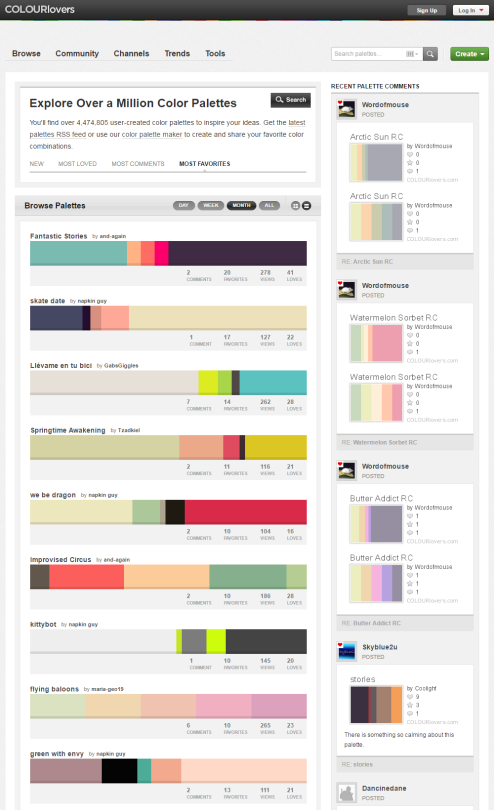
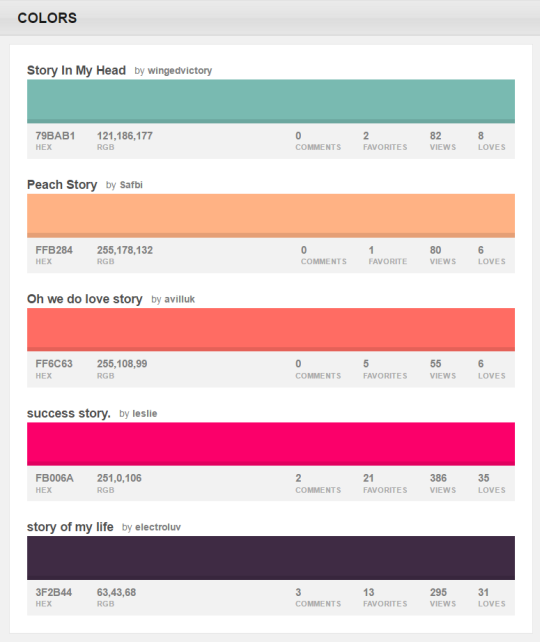
You can browse the most popular ones or search for certain colors, themes, and even specific hex codes!
When you find one you like, you can download a wallpaper swatch of it and also select the specific colors it uses to look at more palettes that use those same ones.
Saw this on Essence Magazine’s Snapchat and thought it would be helpful💕
Yeah seriously, sex education never told me any of this in school. Little me was panicked seeing the dark coloured bits and i had no clue that’s just the normal colour blood goes when its clotted or dried.
Here, have a list of tips on how to be good to the Earth and not spend a fortune on it. Organic is good, but actually being able to eat the whole month is even better (especially on a student budget, yikes).
Leave the air con off when you are not at home. At some point, your house can’t get any warmer than it is, and having the AC on to constantly combat the heat just will burn so much energy that you do not need to pay for. Also, the difference between the temperature on your air conditioning unit and the outside temperature should be no more than 5 C. The smaller the difference is, the lower your energy cost!
Turn off the heat, or turn it way down, when you’re going to sleep. Grab an extra blanket and put on some socks instead!
Don’t cover your radiators with anything; the heat won’t spread efficiently and you’ll waste energy.
Same goes for your fridge. Try not to have anything touch the back wall. Same principle as above, just with the cold. Plus, the stuff touching your back wall might actually freeze. I’ve had this happen with yoghurt.
Let’s reverse all that. If you have a wall or corner that’s drafty as hell, put stuff up against it. Put your bookshelf there. Hang up posters and paintings. Cover it as best you can.
Save on dish soap by buying a small spray bottle, they cost like, nothing. Fill it 4:1 water to soap. You still get plenty of the cleaning goodness from the soap, but you use much less of it. Make sure you use all the soapy water that same day to avoid bacteria growth. Better for the water, better for your wallet. Of course, this is only relevant if you don’t have a dishwasher.
Don’t waste your money on expensive Magic Stain Removal For Clothes. Get some normal, clear dish soap. Wet your t-shirt or whatever it is that you got grease on. Rub dish soap on the opposite side of where you got the stain and let it sit before you wring out the soap again. That way, you get the stain out of your clothes fibers the same way it came in, so to speak. Wash clothes as normal afterwards. It’s magic, I swear.
Recycle! Find out where you can return glass (!), metal (!), cardboard, and what else your city asks you to sort. Save up bottles and cans in a bag or box, and take them there when it’s full. Donate clothes to charity.
While we’re at recycling, buy clothes that last, instead of poor quality clothes produced in a sweatshop that will stretch, twist, and tear after a few times in the washing machine. Spend a little more on your wardrobe a little less often.
Upcycle! Clean jam/pickle jars make for cute candle holders, pencil cups, hell, grow plants in them if they’re big enough. If they smell funky, wash them with lemon juice, salt, and water.
If you can, hang your clothes out to dry instead of using a dryer. It’ll smell nicer, and sunlight helps bleaching your whites!
Check the kilogram/pound price on stuff when grocery shopping. That’s where you really compare differences. I found out that a store near me sells organic peanut butter, which, per jar, deceptively costs a lot more than conventional. However, when I looked at the kg price, the difference was minimal. You should be able to find the kg/lb price on the price tags. Go organic when you can afford it! Less poison in the water, less poison in your body. Tomatoes, cucumber, and strawberries are some of the biggest sinners regarding how many pesticides they contain.
Figure out what fruits and veggies are in season when where you live. Buying stuff that’s in season means it’s a) produced locally or as close to your country as possible, which b) means that tons of fuel hasn’t been used to cart these vegetables all the way to you from the other side of the planet.
That goes for everything else, pretty much. Check where it’s been made, go for the stuff that is produced the closest to you.
The Forest app – you’ve heard about it. But were you totally aware that you can spend your imaginary coins on planting a real tree? You can!
Also related to forestry, check the list of ingredients for palm oil. Harvesting palm trees for oil means a crazy amount of deforestation and replanting of oil palms, leading to animals being robbed of their habitats, and overall the palm oil industry has a devastating impact on biodiversity. Say no and look for an alternative.
Quit the car in favor of walking, biking, or public transportation. A bus carrying 30 people spends less fuel per person than a car carrying only 1.
If you already have a car, carpool! Find a neighbor, some friends, classmates, colleagues nearby. Ask them if they want to go with you. Bonus: you can totally ask for gas money if it becomes a regular thing, and no one will think you’re a jerk.
Bring a fabric shopping bag for your groceries and avoid plastic and paper one-time-use bags! More and more countries are moving to ban plastic bags at grocery stores, which is fantastic.
Get kitchen rags (for wiping the countertop and such) made from cloth, not the microplastic ones that, when washed, allow plastic to go out into the water. The cloth ones will last you longer, too, as they’re more durable.
Lots of soaps, lotions and cleaning supplies have more environmentally friendly alternatives at no or a very small extra cost, and these should be helpfully marked with ecolabels! In the Nordic countries, for instance, we have the Nordic Swan, among many others.
All of these tips are nothing more than habit changes. They’ll take very little extra time out of your life and doesn’t require much dedication. You can do it!
How much longer until the utopic Solarpunk future where Capitalism is dead and we all live in ecologically sustainable high-tech forest cities? Asking for a friend.
Until we make those ecologically sustainable high-tech forest cities ourselves. It’s going to take a lot of us to do it though, so best to spread the word (and gather native tree seeds).
And, like, get started now. Then our “weirdo houses” will be the only thing functioning when everything falls apart!
The only reason why we don’t live in a solarpunk world right now is because no one has bothered to make it yet.
We’ll have to make it ourselves, and we’ll have to help each other make it. That’s why it is solarpunk.
Some resources to consider creating or joining or doing:
Repair cafes – create or join your local repair cafe! Repair stuff, learn how to repair stuff, teach others how to repair stuff.
Map of Makerspaces – make some things! learn how to make some things! teach others how to make some things!
Community Garden Map (note that this is US-only, and not a complete list) – join a local community garden
Learn some basics on passive solar design – clever use of the sun can create extremely energy efficient homes and buildings. You can use these principles to save on energy bills, even if you’re renting.
Free USDA Complete Guide to Home Canning, 2015 revision – cut down on personal food waste! Learn how to safely preserve food. Very useful if you suddenly harvest / purchase for crazy cheap in season / dumpster dive a ton of perishable food.
Donate to One Acre Fund, which provides training and capital to farmers (making them more productive and pulling them out of poverty) in various east African countries
Donate to Bridges to Prosperity, which provides technical expertise, money, and volunteers, to help local people build and maintain their own footbridges in extremely isolated rural areas
joining r/solarpunk, and sharing links/ideas/art/music with the community. Also, upvoting stuff for greater visibility. There’s over 900 members!
So you’ve got this bitch-ass fitted sheet that you would normally pile into a ball and shove into a closet so you won’t have to deal with it, yeah? Well. Quit acting like a piece of linen is better than you are. You can make a fitted sheet bend to your will. And here’s how…
First, put your sheet on the floor. Stand above it for a few seconds so it knows who’s boss.
Then, put your hand in the lower left corner so that it’s inside out. Do the same to the lower right corner.
Now, your lower left and right corners of the fitted sheet should be inside out. (Shoutout to Amy Poehler, love your work).
Then, take the lower left corner (that’s still inside out) and tuck it into the upper left corner. It should look like the picture above once you’re done. Then, do the same with your right corners.
It should look something like that. Right now, she’s your friend at the end of a good night out. Doesn’t look really bad, but you know she deserves better.
Pull at the corners until you get something like this shape, as it makes it easier to fold. You’ve given your friend some plain white bread and a glass of water. She’s looking much more presentable now.
Now, pull in at the elastic until you make a rectangle. You’ll want to tuck and smooth the excess fabric away from the elastic seams and towards the closed edge of the fitted sheet.
Once you’ve got a (semi) neat rectangle, fold the the top of the sheet down about a third of the way through. I like to fold the upper part of the sheet down first, because it’s not as straight of an edge as the bottom. You can find your own meaning within that description.
Now, fold the lower portion of the sheet on top of the part you’ve already folded down.
Fold the left side of the sheet into the middle, and then fold the right side of the sheet on top of what you just folded.
Congratulations. You just made a fitted sheet your bitch.
No but really, this has been the most complete and informative description of how to fold a fitted sheet I’ve ever seen. Very few that I’ve seen show the “bread and water” step.
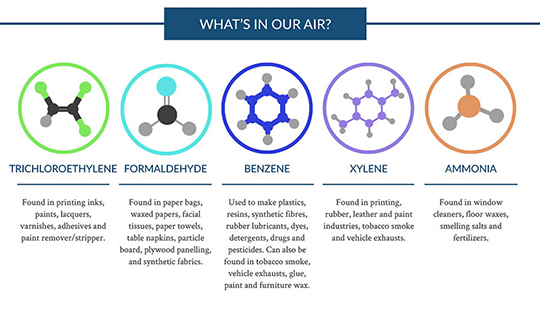
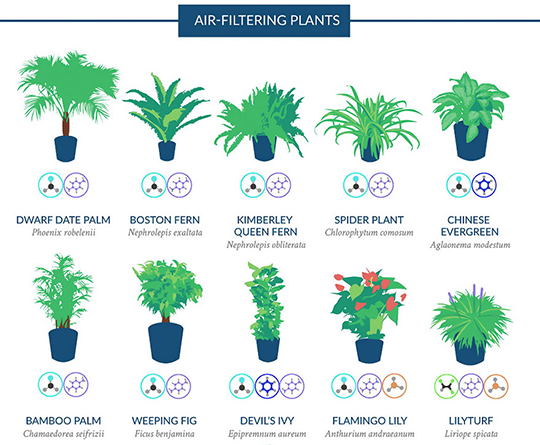
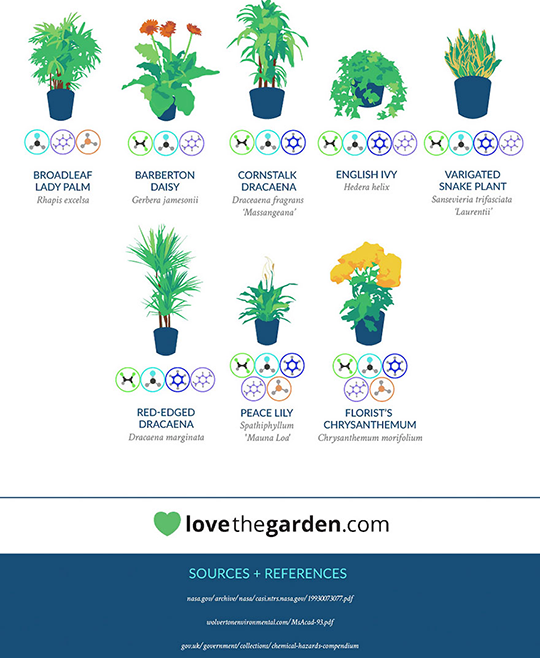
Because most of us spend the majority
of our time indoors, NASA conducted a
Clean Air Study to determine which
common houseplants are the best for
filtering harmful toxins like ammonia
and formaldehyde from the air.
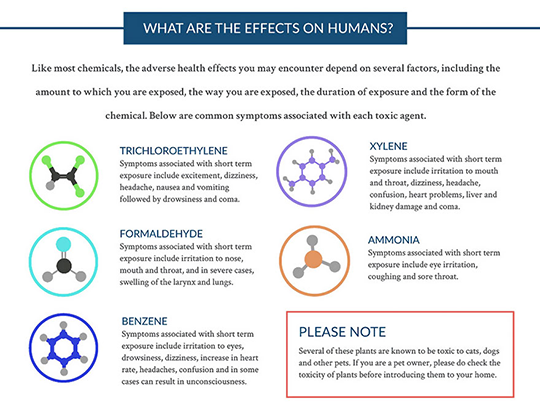
**Please note: Several of these plants are known to be toxic to cats, dogs and other pets. If you are a pet owner, please do check the toxicity of plants before introducing them to your home.**




















 refessence